
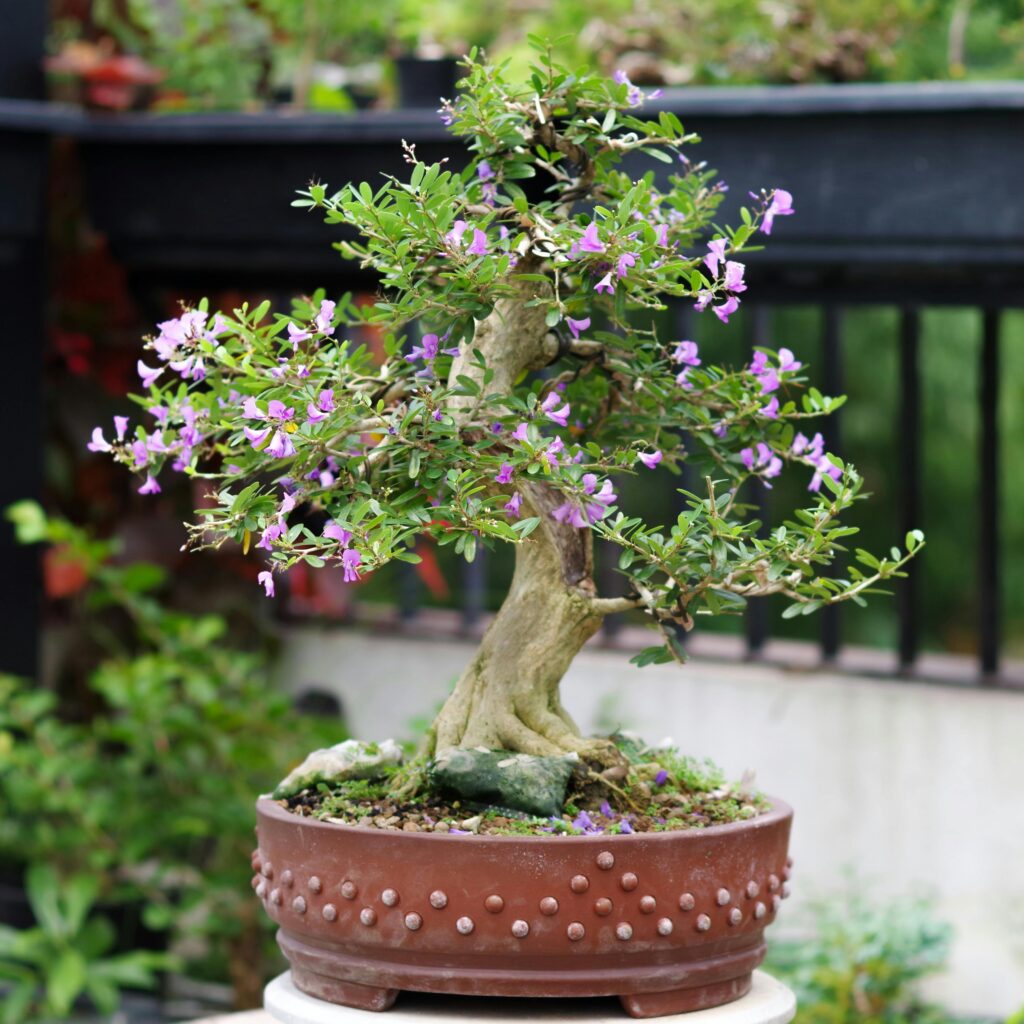
Selling Bonsai Trees: The P.A.S.S. Framework

Whether you’re making room for new acquisitions, handling an estate collection, or turning your passion into profit, selling artisan goods like bonsai trees can feel overwhelming without the right approach. You’ve invested years nurturing your trees, and now you need to find them new homes while maximizing their value.
Most sellers struggle because they jump straight into listings without proper preparation or strategy. They underestimate the complexity of pricing this centuries-old art form, choose the wrong platforms for their audience, or worse, watch their prized specimens arrive damaged at their destination.
That’s why we’ve developed the PASS Framework, a proprietary four-phase commercial system that transforms bonsai selling from guesswork into systematic success.
Here’s how it works:
- Prepare goods and documentation.
- Assess value and market positioning.
- Sell through the right channels with compelling listings.
- Ship safely to complete successful transactions.
This branded system maximizes value while minimizing risks. It works whether you’re a collector who is downsizing, an estate handler managing inherited collections, or an owner transitioning to online sales. Follow this proprietary methodology to approach each sale with confidence and achieve much better results than sellers who wing it.
PREPARE: Setting Yourself Up for Success
The first step in our PASS Framework is proper preparation. This foundation determines everything that follows. Rushing into listings with unprepared trees is like trying to sell a house without cleaning it first.
Getting Your Trees Ready to Sell
Before any tree goes to market, it needs a thorough health assessment. A healthy bonsai commands premium prices, while compromised specimens require honest disclosure and adjusted pricing.
Buyers notice issues you might overlook, so start with a critical eye. Check for pest infestations, fungal problems, or structural weaknesses that could affect transport. If you do spot signs of pests, be sure to treat your tree with a proper insecticide.
Next, determine whether you’re selling mature bonsai or pre-bonsai specimens. This classification dramatically impacts pricing and who your target audience is. Mature bonsai demonstrate refined styling and established character, while pre-bonsai appeal to enthusiasts who enjoy development work.
Consider professional styling if your trees show obvious flaws but have good bones. Sometimes a $50 professional trim can add $200 to your sale price. However, don’t overinvest in mediocre material. Know when to sell as-is.
Documentation and Provenance
Professional presentation starts with exceptional photography. Capture your trees from multiple angles: front view, back view, nebari (root flare), and detail shots of interesting features. Natural lighting works best, with a clean, neutral background that doesn’t compete with the tree.
For deciduous species, timing matters. Photographs taken during peak foliage seasons showcase the tree’s full character, while winter shots reveal branch structure. Include both if possible.
Document care history, styling records, and any known lineage. Buyers pay premiums for trees with documented provenance or notable styling history. What makes a bonsai tree valuable often lies in its story as much as its appearance.
Legal and Practical Preparations
Many sellers overlook regulatory requirements, creating problems later. Certain species require CITES permits for interstate or international shipping. Some states require seller permits or phytosanitary certificates. Be sure to research your state’s agriculture department requirements.
For high-value specimens, consider insurance coverage for the selling process. Document everything with detailed photographs and written condition reports. This protects you if disputes arise and can support insurance claims if necessary.
Keep detailed records of all transactions, especially if you’re selling multiple trees. The Internal Revenue Service considers regular bonsai sales business income, requiring proper documentation for tax purposes.
ASSESS: Bonsai Pricing and Market Positioning
Step two of the PASS Framework, accurate assessment, is where many sellers either leave money on the table or price themselves out of the market. Emotional attachment can cloud your judgment, and inexperience may lead to undervaluing quality specimens.
Strategic Pricing Beyond Basic Formulas
Forget simple “age x species” formulas you might find online. Modern bonsai pricing considers multiple factors in complex relationships. Yes, age and species matter, but so do styling quality, bonsai pot value, seasonal timing, and current market demand.
How to price a bonsai tree starts with honest evaluation across these key areas:
- Artistic Development: Trunk movement, taper, branch structure, and overall design harmony.
- Horticultural Health: Root system, foliage density, and absence of major flaws.
- Rarity Factors: Uncommon species, exceptional size, or documented lineage.
- Included Accessories: Quality pots, stands, or related equipment can add significant value.
Research completed sales on eBay, Facebook groups, and specialized forums. Look for truly comparable specimens that are not just the same species, but are of similar age, size, and development quality. Market prices vary significantly by region and season, so focus on recent sales in your target market.
Market Research and Competitive Analysis
Use eBay’s completed listings feature to track actual selling prices over the past three months. This reveals true market value, not inflated asking prices from unsold listings. Pay attention to listing quality. Poor photos and descriptions artificially depress prices.
Platform-specific pricing trends matter. eBay typically supports higher prices for exceptional specimens due to its international reach, while Facebook Marketplace favors quick local sales at moderate prices.
Understanding buyer psychology by seller type helps with positioning. Private collectors often have emotional connections that influence pricing, while estate handlers need efficient liquidation strategies. Nursery owners must balance competitive pricing with profit margins.
Bonsai Pricing Strategy by Seller Scenario
Private collectors face the emotional attachment challenge. Your $2,000 investment over 10 years doesn’t automatically translate to $2,000 in market value. Focus on current market conditions and comparable recent sales. Decide whether you’re optimizing for a quick sale or maximum value. This choice determines your pricing strategy and platform selection.
Estate handlers should consider professional appraisals for collections with multiple high-value specimens. Reach out to local clubs or bonsai nurseries for the names of qualified appraisers in your area. For bulk sales, research package pricing strategies that appeal to dealers and serious collectors.
Nursery owners transitioning to online sales must balance competitive positioning with sustainable margins. Research your direct competitors’ pricing, but remember that service quality, shipping reputation, and customer relationships justify premium pricing over time.
Market Position Assessment
Local markets often undervalue quality bonsai specimens, while online platforms reach knowledgeable collectors willing to pay appropriate prices. However, shipping risks and costs affect net returns, especially for larger trees.
Seasonal timing significantly impacts demand and pricing. Spring through early fall typically sees higher activity and better prices, while winter sales often require deeper discounts. Deciduous species command premiums during peak foliage periods, while evergreens maintain more consistent year-round demand.
Your personal reputation and experience level influence pricing power. New sellers should focus on building positive feedback rather than maximizing profit on initial sales. Established sellers with strong reputations can command premium prices.
SELL: Choosing Platforms and Creating Compelling Bonsai Listings
The third step in the PASS Framework is executing the sale through the right channels with listings that convert browsers into buyers. Platform selection and listing quality determine whether your carefully prepared and accurately priced trees actually sell.
Strategic Platform Selection
eBay Selling. This site offers the largest potential audience and sophisticated tools for serious sellers. The auction format can drive competitive bidding for exceptional specimens, while “Buy It Now” options provide pricing certainty. International reach expands your buyer pool significantly.
However, eBay’s fee structure (typically 10%-13% total) and shipping complexities require careful profit calculation. International sales involve additional regulations and shipping restrictions that many sellers underestimate. The platform works best for sellers with multiple trees and time to manage detailed listings.
Facebook Marketplace and Groups. Facebook is useful for local sales and community connections. Regional bonsai groups and local plant societies provide targeted audiences with established trust networks. Local pickup eliminates shipping risks and costs while enabling in-person tree inspection.
However, the informal nature of the platform limits transaction protections, and reach remains geographically constrained. Facebook works best for sellers prioritizing convenience and community relationships over maximum prices.
Local and In-Person Selling Options
Bonsai society meetings and regional shows provide targeted audiences of serious collectors. These venues allow buyers to inspect trees personally, reducing concerns about online purchasing risks. Many shows include vendor areas or informal selling opportunities.
Local nursery consignment arrangements can work for exceptional specimens, though commission rates (typically 30%-50%) require careful profit analysis. Choose nurseries with established bonsai clientele and proper care capabilities.
Garden club events and specialty craft fairs reach broader audiences but may lack serious collectors. These venues work best for pre-bonsai material and lower-priced specimens that appeal to general gardening enthusiasts.
Auction houses specializing in horticultural collections handle high-value estates and exceptional individual pieces. Professional auctioneers provide marketing reach and authentication services that private sellers can’t match, though commission rates typically range from 20%-35%.
Creating Listings That Convert
Professional photography makes or breaks online sales. Use natural lighting, clean backgrounds, and multiple angles that showcase your tree’s best features. Include scale references (coins, cans, rulers, or hands) to help buyers understand size.
Write descriptions that build confidence without overselling. Honest disclosure of flaws or challenges actually builds trust with knowledgeable buyers. What buyers expect when buying a bonsai online includes complete transparency about condition, care requirements, and any issues they should know about.
Structure information hierarchically: species and age first, followed by styling notes, care requirements, and included accessories. End with shipping and return policies that demonstrate professionalism.
Essential details include:
- Exact species (scientific name preferred).
- Approximate age and development stage.
- Current dimensions (height, width, trunk diameter).
- Pot details (maker, size, included or separate).
- Care requirements and seasonal needs.
- Shipping restrictions and timing.
Timing and Optimization
Seasonal considerations vary by species but generally favor spring through fall for most sales. Deciduous trees showcase best during foliage periods, while flowering species need timing around bloom cycles.
Platform-specific timing affects visibility and final prices. eBay auctions ending Sunday evenings typically achieve higher prices, while Facebook activity peaks during weekday lunch hours and evening commutes.
Managing multiple listings across platforms requires organization but expands your reach. Use consistent pricing and descriptions while adapting to each platform’s specific audience and format requirements.
SHIP: Safe Bonsai Delivery and Transaction Completion
The final step of the PASS Framework, shipping, is where successful sales can turn into disasters without proper execution. Poor packaging can damage trees, destroy reputations, and create costly disputes that eliminate profits.
Professional Packaging Standards
Sending a bonsai tree in the mail requires specialized techniques that protect both tree and pot during transit. Standard shipping materials don’t provide adequate protection for living artwork that can’t tolerate rough handling.
- Start with properly sized heavy-duty boxes that prevent movement without crushing delicate branches.
- Use moisture-retentive materials around roots while ensuring adequate drainage to prevent root rot during transit.
- Secure the pot so that it doesn’t shift during handling.
Seasonal shipping considerations are crucial. Summer heat can kill trees in transit, while freezing temperatures may cause similar damage. Many experienced sellers suspend shipping during temperature extremes, preferring to wait for safe weather windows.
Consider split shipments for trees with valuable pots. Ship them separately to minimize loss if problems occur. Insurance requirements increase with tree value, but proper documentation supports claims when damage does occur.
Cost Management and Pricing Integration
Accurate shipping cost calculation prevents surprises that kill sales. Research actual costs for your typical package sizes and destinations, then build these costs into your pricing strategy. Offering “free shipping” with higher base prices often increases conversion rates.
Local pickup incentives (5%-10% discounts) encourage regional sales while eliminating shipping risks. Consider regional delivery for high-value sales within a reasonable driving distance. The personal service can often justify higher prices.
International shipping involves complex regulations and restricted species lists. Research destination country requirements thoroughly, as violations can result in tree confiscation and seller penalties.
Risk Management and Customer Service
Prevention beats insurance claims every time. Invest in quality packaging materials and proven techniques rather than gambling with cheaper alternatives. Document your packaging process with photographs that demonstrate professional care.
Insurance claims require extensive documentation, so photograph trees before packaging and maintain detailed condition records. File claims immediately when damage occurs, and maintain professional communication with buyers throughout the process.
Communicating with the customer during transit reduces anxiety and builds confidence. Provide tracking numbers immediately and follow up if delays occur. Proactive communication prevents many disputes that reactive service can’t resolve.
Building Long-Term Success Through Shipping Excellence
Shipping experience impacts repeat business and referrals more than any other factor. Buyers remember trees that arrived perfectly, while shipping disasters create lasting negative impressions that spread through bonsai communities.
Consider providing care instructions with each shipment, especially for species with specific requirements. This extra service demonstrates expertise and reduces buyer’s remorse that can damage your reputation.
Follow-up communication after delivery shows professionalism and creates opportunities for repeat business. Ask buyers to confirm arrival and tree condition, then offer ongoing support for care questions.
Special Considerations and Advanced Strategies
Even with the PASS Framework, certain mistakes can undermine your success. Learning from others’ errors saves time, money, and reputation in communities where word travels fast.
Avoiding Common Pitfalls
Pricing and Market Mistakes. These often stem from emotional attachment or inexperience. Don’t undervalue quality specimens or overprice mediocre material based on your personal investment rather than market realities.
Seasonal market conditions significantly affect demand and pricing, but many sellers ignore these patterns. Research historical selling data for your species and adjust expectations accordingly. Platform algorithms also favor active, successful sellers. Sporadic selling often results in reduced visibility.
Legal and Ethical Considerations. Never misrepresent tree age, origin, or styling history. Experienced buyers can identify deception, and your reputation won’t survive exposure. CITES violations can result in substantial fines and legal problems that far exceed any single sale’s value.
Proper disclosure protects everyone involved. Acknowledge health issues, structural problems, or care challenges. Knowledgeable buyers appreciate transparency and often purchase problem trees at appropriate prices for restoration projects.
Shipping and Transaction Disasters. Cutting corners or poor communication can result in real problems. Establish clear expectations about shipping timing, seasonal restrictions, and care requirements before completing transactions.
Building Sustainable Selling Success
Reputation management requires consistent professionalism across all platforms and community interactions. Join bonsai societies, participate in forums, and build relationships that transcend individual transactions. Word-of-mouth referrals from respected community members are worth more than any advertising.
Community engagement in bonsai societies provides networking opportunities and referral sources that support long-term success. Serious collectors often sell to each other privately, bypassing public markets entirely. Building these relationships takes time but creates sustainable business opportunities.
As experience grows, advanced bonsai tree pricing techniques become crucial for maximizing returns. Learn to recognize undervalued species, understand regional preferences, and identify trees with exceptional development potential.
Many successful sellers transition from occasional sales to supplemental income streams. This progression requires business planning, tax considerations, and systematic approaches to inventory management and customer relationship building.
Conclusion: Mastering the PASS Framework for Bonsai Sales Success
The PASS Framework transforms bonsai selling from overwhelming guesswork into systematic success:
Prepare: Professional presentation starts with proper preparation of trees, documentation, and legal requirements. This foundation determines everything that follows and separates successful sellers from amateurs.
Assess: Accurate pricing protects profit margins while building credibility with buyers. Understanding market conditions, comparable sales, and value factors ensures competitive positioning without leaving money on the table.
Sell: The right platform selection and compelling listings convert browsers into buyers. Matching your trees with appropriate audiences while presenting them professionally maximizes both sale probability and final prices.
Ship: Safe delivery completes transactions successfully and builds reputations that support long-term success. Professional packaging and communication prevent disasters while creating positive experiences that generate repeat business and referrals.
Next Steps for Implementation
Start with lower-value specimens to gain PASS Framework experience without risking your most prized trees. Build relationships within bonsai communities for referrals and repeat business opportunities that transcend individual sales.
Document your successes and continuously refine your approach based on results and feedback. What works for one seller or market segment may not work for another, so adapt the framework to your specific situation while maintaining its systematic approach.
Whether you’re a collector making space for new acquisitions, handling estate sales professionally, or building a nursery business around bonsai, the PASS Framework provides the systematic approach that turns bonsai selling from overwhelming to profitable. Master this framework, and you’ll successfully complete each sale with confidence.

Written by: Chad Reeves
Chad is a dedicated bonsai enthusiast who’s spent 5+ years shaping bonsais and learning from some of the best bonsai artists in the bonsai community. With BonsaiTrader, he gets a chance to meet nursery owners across the country, bringing both practical advice and evolving business expertise to our readers.