
Complete Beginners Guide to Caring for Bonsai Trees

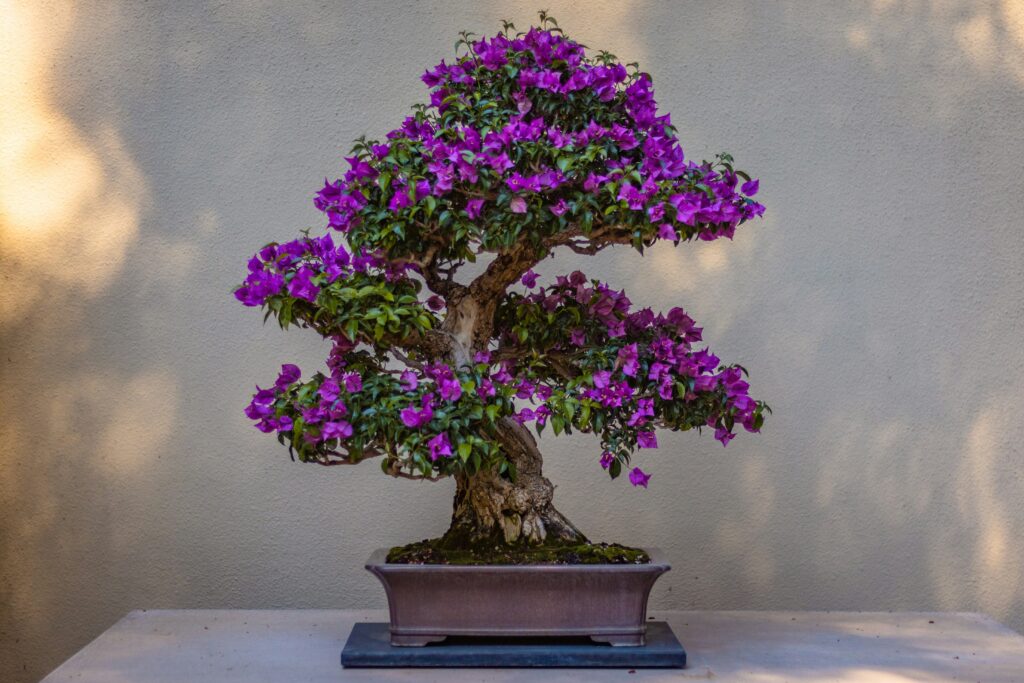
Growing a bonsai isn’t just about keeping a plant alive. It’s about creating a living piece of art that reflects the beauty of nature in miniature form.
Whether you’re just starting out or looking to refine your technique, understanding proper care for bonsai can be the difference between a thriving tree and an expensive lesson.
We will walk you through everything you need to know about caring for bonsai, from the fundamentals to advanced regional strategies that most guides don’t cover.
Essential Bonsai Care Fundamentals
Before you worry about seasonal adjustments or advanced techniques, you need to nail the basics. These core care principles apply to virtually every bonsai species and form the foundation of everything else you’ll learn.
Get these right, and your trees will thrive. Get them wrong, and even the most expensive specimen won’t survive.
Watering: The Make-or-Break Skill
More bonsai die from improper watering than any other cause. The key isn’t following a rigid schedule, but learning to read your tree’s needs.
Check soil moisture by inserting your finger about half an inch into the soil. When the surface feels dry but there’s still slight dampness below, it’s time to water. For most species, this happens every 1-2 days during the growing season. I’ve also found that using akadama in your soil mix can be useful in identifying when it’s time to water. Akadama is a light tan color when dry, and a dark brown when moist.
Water your bonsai thoroughly until it runs out the drainage holes, then stop. This ensures the entire root system gets moisture without creating waterlogged conditions that lead to root rot.
Light Requirements That Actually Work
Lighting requirements for bonsai vary for each tree type. Most outdoor bonsai need 6+ hours of direct sunlight daily. Indoor tropical species like ficus can thrive in bright, indirect light but still prefer some direct morning sun.
If you’re keeping trees indoors during winter, place them in south-facing windows. Supplement with grow lights if natural light is limited, but don’t break the bank. Basic LED shop lights positioned 12-18 inches above your trees provide adequate supplemental lighting for under $30.
Soil and Repotting Essentials
Forget regular potting soil. Bonsai need well-draining soil that allows air to reach the roots. A basic, budget-friendly mix combines:
- 1 part akadama (or similar clay granules).
- 1 part pumice or perlite.
- 1 part lava rock or bark chips.
Repot young trees every 1-2 years and mature trees every 3-5 years. Spring is usually best, right before the growing season starts.
Fertilizing Without Overspending
Bonsai need regular feeding during the growing season (spring through early fall). Balanced liquid fertilizer diluted to quarter-strength every two weeks covers most species’ needs.
Organic options like fish emulsion cost less than specialty bonsai fertilizers and work just as well. Apply every 3-4 weeks during active growth periods.
Pruning and Shaping Basics
Pruning bonsai is one of the key components of the practice. Structural pruning shapes your tree’s overall form. Do this during dormancy (late winter) for most species. Remove branches that:
- Cross or rub against others.
- Grow straight up or down.
- Make the trunk invisible from the front.
- Create unnatural-looking symmetry.
Maintenance pruning keeps growth in check. Pinch or cut new growth back to 1-2 leaves throughout the growing season.
You don’t need expensive bonsai tools starting out. Standard garden shears and a bullnose wire cutter can handle the bulk of the basic work.
If you’re looking for a great beginner tool set, we recommend this starter bonsai tool set.
Seasonal Bonsai Care Tips
Once you’ve mastered daily care routines, understanding how your trees’ needs change throughout the year becomes crucial.
Each season brings different growth patterns, environmental stresses, and care requirements. Matching your care approach to these natural rhythms is what separates casual plant keepers from serious bonsai practitioners.
Spring: The Growth Explosion
Spring is when trees wake up and energy levels soar. This is your busiest season for bonsai care.
Key Spring Tasks:
- Repot trees that have become root-bound.
- Begin regular fertilizing as temperatures consistently reach 60 degrees Fahrenheit.
- Increase watering frequency as growth accelerates.
- Start structural pruning before buds break.
- Move outdoor trees to their summer locations.
Watch for new buds swelling but not yet opening. This brief window is perfect for major structural work and repotting.
Summer: Maintenance Mode
Summer care focuses on maintaining health during peak growth. Trees are actively photosynthesizing and building energy reserves.
Summer Priorities:
- Water daily or every other day, depending on temperature and humidity.
- Provide afternoon shade during extreme heat (above 95 F).
- Continue regular fertilizing every 2-3 weeks.
- Pinch new growth to maintain shape.
- Monitor for pests, which are most active in the summer.
Heat Management Tip: Group your trees together to create a microclimate with higher humidity. Place humidity trays (shallow dishes with water and gravel) around your collection.
Fall: Preparation Time
Fall is about helping trees prepare for dormancy. Gradually reduce care intensity as growth slows.
Autumn Adjustments:
- Reduce fertilizing frequency, then stop completely by late fall.
- Continue watering but do so less frequently as tree growth slows down.
- Clean up fallen leaves to prevent common bonsai pest issues.
- Begin planning winter protection for cold-sensitive species.
This is also an excellent time for light structural pruning on species that might bleed sap if cut during the spring.
Winter: Dormancy and Protection
Winter care varies dramatically by species and location, but the goal remains the same: Protect your trees while allowing necessary dormancy.
Winter Care Basics:
- Reduce watering significantly but don’t let trees completely dry out.
- Stop all fertilizing.
- Protect pots from freeze-thaw cycles.
- Monitor soil moisture monthly.
- Resist the urge to bring cold-hardy trees indoors.
Most temperate species need cold exposure to remain healthy. Bringing them inside can actually harm or kill them over time.
Regional Climate Considerations for U.S. Bonsai Growers
Understanding your local climate is crucial for successful bonsai care. The USDA Plant Hardiness Zone Map provides baseline information, but regional microclimates create unique challenges.
Northeast and Great Lakes (Zones 3-6)
Climate Challenges: Harsh winters, short growing seasons, high humidity summers.
Adaptations Needed:
- Protect pots from freeze-thaw cycles by using cold frames or burying pots in mulch.
- Choose cold-hardy species like Japanese maple, Eastern white pine, or American elm.
- Take advantage of humid summers by keeping trees outdoors year-round.
- Winter watering may be needed significantly less frequently.
Species Recommendations: Avoid placing tropical species outdoors. Stick with native or adapted species that can handle -10 F or lower.
Southeast (Zones 7-11)
Climate Challenges: High humidity, intense summer heat, mild winters.
Regional Strategies:
- Provide afternoon shade during summer months.
- Increase air circulation to prevent fungal issues.
- Many tropical species can stay outdoors year-round in zones 8-9.
- Adjust watering for high humidity when trees need less frequent watering.
Unique Opportunities: Extended growing seasons allow for year-round development work. Bald cypress, live oak, and Southern magnolia thrive here.
Southwest and Desert (Zones 8-10)
Climate Challenges: Extreme heat, low humidity, intense sun, minimal winter chill.
Desert Adaptations:
- Provide shade during the hottest part of the day (noon-4 p.m.).
- Increase humidity with gravel trays and by grouping trees.
- Water more frequently due to rapid soil drying.
- Choose heat-tolerant species or provide evaporative cooling.
Species That Work: Desert willow, palo verde, Chinese elm, and most tropical species adapt well to desert conditions with proper care.
Pacific Northwest (Zones 8-9)
Climate Benefits: Mild temperatures, natural humidity, long growing season.
Regional Considerations:
- Take advantage of the mild climate for year-round outdoor growing.
- Watch for excessive moisture leading to root problems.
- Native species like Western red cedar and Douglas fir make excellent bonsai.
- Minimal winter protection is needed for most species.
Mountain West (Zones 4-7)
Unique Challenges: Extreme temperature swings, low humidity, intense UV exposure at elevation.
High Altitude Strategies:
- Protect from intense UV light with shade cloth during peak summer hours.
- Provide windbreaks to prevent moisture loss.
- Choose elevation-adapted species.
- Extend protection period due to unpredictable weather patterns.
Understanding these regional differences helps you choose appropriate bonsai species and adjust care techniques for your specific location.
Advanced Techniques for Serious Enthusiasts
Once you’ve mastered basic care, these advanced techniques will take your bonsai to the next level.
Understanding Growth Patterns by Species
Junipers and Pines: These conifers have predictable growth spurts. Pinch new “candles” (elongating shoots) in spring to control size and encourage back-budding.
Deciduous Trees (Maple, Elm, Oak): Focus on timing. Major work happens during dormancy, fine-tuning during the growing season. Learn each species’ budding timeline to maximize results.
Tropical Species (Ficus, Brazilian Rain Tree): Consistent year-round growth allows for continuous refinement but requires constant attention to prevent overgrowth.
Advanced Watering Techniques
Toothpick Method: Insert wooden toothpicks in different areas of your pot. Check moisture levels by examining how far water has wicked up the wood. This gives you precise moisture mapping across the root zone.
Species-Specific Watering: Pines prefer slightly drier conditions between waterings. Maples like consistent moisture. Tropical species need frequent but not excessive watering.
Root Work Beyond Repotting
Air Layering: Create new trees from branches while they are still attached to the parent. This advanced technique produces mature-looking bonsai in 1-2 years rather than decades.
Root Grafting: Add surface roots to improve nebari (root flare). This technique requires surgical precision but dramatically improves trees with poor root structure.
Microclimate Management
Seasonal Positioning: Move trees to optimize growing conditions throughout the year: morning sun locations for summer, protected southern exposures for winter.
Humidity Control: Use humidity tents during initial styling periods to reduce stress and encourage healing.
Wire Training Mastery
Copper vs. Aluminum: Copper wire holds better but can cut into bark quickly. Aluminum is more forgiving for beginners and equally effective when properly applied.
Timing Wire Removal: Check wired branches monthly. Remove wire before it cuts into bark, typically 3-6 months for most species.
Bonsai Species-Specific Care Highlights
While the fundamentals apply across species, each type of tree has its own personality and preferences. Understanding these differences helps you tailor your care approach and avoid the common mistake of treating all bonsai the same.
Here’s what both beginners and experienced growers should know about the most popular species’ needs.
Japanese Maple (Acer palmatum)
- Growing Season Care: Water daily in summer; protect from afternoon sun.
- In Winter: Hardy to Zone 5; needs a cold dormancy period.
- Special Care: Vulnerable to late spring frosts; protect new growth.
Chinese Elm (Ulmus parvifolia)
- Versatility: Can be grown as a tropical indoor tree or temperate outdoor tree.
- Growing Season Care: Extremely vigorous; requires frequent pruning.
- In Winter: Outdoor varieties are hardy to Zone 5; indoor varieties stay active year-round.
Juniper Species
- Light Needs: Full sun is mandatory for outdoor varieties.
- Watering: Allow slight drying between waterings.
- Styling Note: Responds well to aggressive pruning and wire training.
Ficus Species
- Indoor Care: Needs bright light, consistent watering, and protection from cold drafts.
- Growth: Rapid healing makes them excellent for beginners learning pruning techniques.
- Temperature: Keep above 50 F at all times.
Dwarf Jade (Portulacaria afra)
- Indoor/Outdoor Flexibility: Can thrive indoors year-round or outdoors in warm climates.
- Water Needs: Allow soil to dry completely between waterings; very drought tolerant.
- Growth Habit: Stores water in thick leaves and stems, making it very forgiving for beginners.
- Temperature: Keep above 40 F; ideal for Zones 9-11 outdoors.
Bald Cypress (Taxodium distichum)
- Unique Trait: Deciduous conifer that drops needles in fall.
- Water Needs: Can tolerate wet feet, unlike most bonsai.
- Regional Note: Thrives in southeastern U.S.; struggles in dry climates.
Troubleshooting Common Regional and Seasonal Issues
Even experienced growers face challenges when trees don’t respond as expected. The key is recognizing problems early and understanding how your local climate and seasonal changes contribute to issues.
Most bonsai problems aren’t random; they follow predictable patterns based on weather, season, and region. Learning to identify and address these issues quickly can save both your trees and your investment in the hobby.
Spring Problems and Solutions
Late Frost Damage: New growth blackens overnight after an unexpected freeze.
- Solution: Remove damaged growth immediately, increase humidity around the tree, avoid fertilizing until recovery shows.
- Prevention: Monitor weather forecasts and have frost protection ready.
Repotting Shock: Tree doesn’t respond after repotting.
- Solution: Place in bright shade, maintain consistent moisture, avoid fertilizing for 4-6 weeks.
- Regional Note: More common in hot climates where evaporation stress compounds root trauma.
Summer Stress Indicators
Leaf Scorch in Humid Climates: Brown edges form on leaves despite adequate watering.
- Cause: Poor air circulation combined with high humidity creates fungal conditions.
- Solution: Improve spacing between trees and add a small fan for air movement.
Rapid Soil Drying in Desert Regions: Soil dries completely within hours of watering.
- Solution: Add more organic material to the soil mix, use humidity trays, and consider shade cloth during peak heat.
Winter Challenges
Root Freeze Damage in Northern Climates: Tree fails to respond in spring despite proper winter protection.
- Prevention: Bury pots in mulch or sand, and group trees together for thermal mass.
- Regional Strategy: In Zones 4-5, consider cold frame construction for valuable trees.
Indoor Pest Problems: Spider mites and scale insects appear on trees brought indoors.
- Cause: Low humidity and warm indoor temperatures create ideal pest conditions.
- Solution: Quarantine affected trees, increase humidity, and treat with horticultural oil.
Year-Round Issues by Region
Southwestern Alkali Soil Problems: Yellowing leaves despite proper fertilizing.
- Cause: High pH water and soil prevent nutrient uptake.
- Solution: Use rainwater or distilled water. Acidify soil with organic amendments.
Pacific Northwest Moss and Algae Growth: Green film covers soil surface and pot exteriors.
- Cause: Constant moisture and mild temperatures encourage growth.
- Management: Improve drainage, increase air circulation, scrape moss buildup monthly.
Building Your Bonsai Skills Without Breaking the Bank
Starting in bonsai doesn’t require a huge investment. Focus on learning fundamentals with affordable materials before upgrading tools and expanding your collection.
Smart Starter Approach
- Begin with one hardy, local species.
- Use basic tools until you understand techniques.
- Learn from local clubs and online communities.
When To Invest More
- After successfully keeping trees alive for a season or two.
- When you understand the specific needs of your chosen species.
- After joining a local bonsai club and learning from experienced practitioners.
The path to growing a bonsai successfully lies in understanding your trees’ needs, your local climate, and how these factors change throughout the seasons. Master these fundamentals and you’ll develop the intuition that separates successful bonsai enthusiasts from those who struggle to keep their trees alive.
Remember, every expert was once a beginner who learned from their mistakes. The key is making small, educational mistakes rather than expensive, tree-killing ones. Start simple, stay observant, and let your trees teach you what they need.
Frequently Asked Questions About Bonsai Care
I killed my fair share of bonsai trees when I was first starting out. Most people find their first bonsai challenging because they overthink the process. The biggest hurdle is learning to read your tree’s signals rather than following rigid schedules. Once you understand that bonsai care is about responding to what your tree needs (not what the calendar says), it becomes much more manageable. Start with a hardy species like Chinese elm or ficus, and you’ll build confidence quickly.
We don’t recommend seed for beginners since it takes so long. Growing from seed means waiting 5-10 years before you have anything that remotely resembles a bonsai. Most beginners lose interest or make costly mistakes during this lengthy process. Instead, start with nursery stock or pre-bonsai material that gives you immediate satisfaction and faster learning opportunities.
The only bonsai trees that can live indoors permanently are tropical species like ficus, dwarf jade, and Brazilian rain trees. Temperate species (maple, juniper, pine, elm) need outdoor conditions and winter dormancy to survive long-term. Keeping them indoors year-round will eventually kill them, even if they seem healthy initially.
Yellow leaves usually indicate watering problems, seasonal changes, or environmental stress. For evergreen species, check if you’re overwatering or underwatering. For deciduous trees, leaf drop in fall is natural. Sudden environmental changes (moving indoors/outdoors, temperature shifts) also cause leaf drop. Most trees recover if you correct the underlying issue.
This depends on your starting material and goals. A nursery plant can look like a basic bonsai in 2-3 years with proper training. Developing refined, mature-looking bonsai typically takes 5-10 years or more. Starting from seed requires decades of patience. Most beginners see satisfying progress within the first year of consistent care and styling.
Overwatering kills more bonsai than any other single factor. New owners tend to water on a schedule rather than checking what the tree actually needs. The second biggest mistake is bringing outdoor species indoors permanently, thinking they’re helping the tree avoid harsh weather. Both mistakes come from the same problem — not understanding that bonsai are living trees with changing needs, not houseplants with fixed requirements.

Written by: Chad Reeves
Chad is a dedicated bonsai enthusiast who’s spent 5+ years shaping bonsais and learning from some of the best bonsai artists in the bonsai community. With BonsaiTrader, he gets a chance to meet nursery owners across the country, bringing both practical advice and evolving business expertise to our readers.