
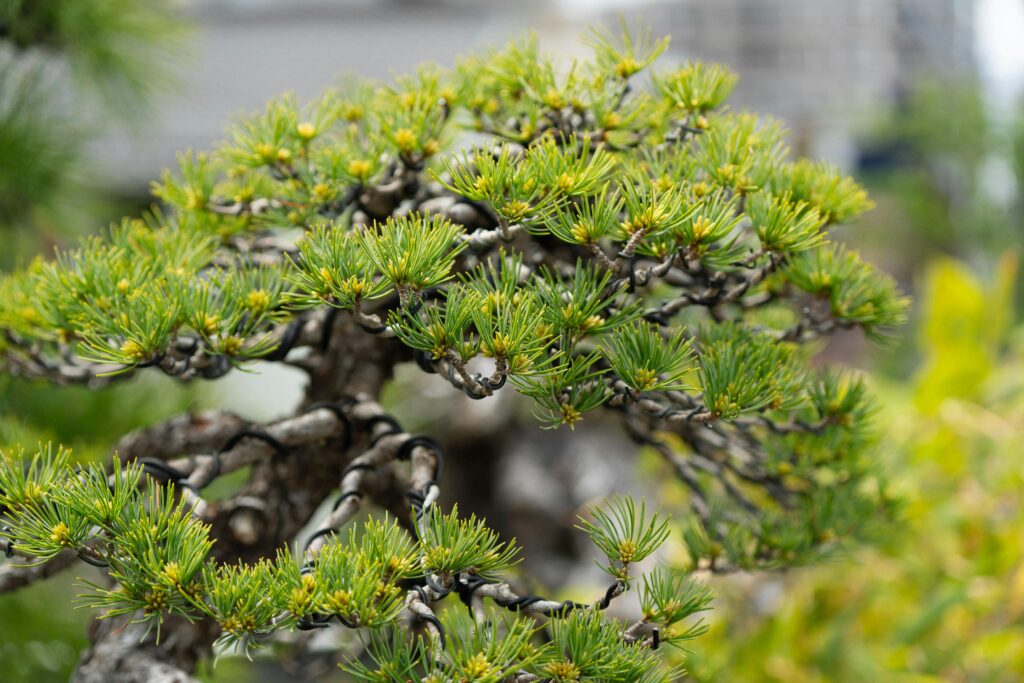
Bonsai Wiring: How to Safely Shape Your Tree
In 2023, I was lucky enough to participate in an Ashe juniper workshop at Timeless Trees Bonsai led by Todd Schlafer. Todd is a renowned artist based in Denver where he and his wife, Bridget, run First Branch Bonsai.
Todd specializes in junipers native to Colorado, and his wiring skills are nothing short of incredible. When he wired a branch the gaps were perfectly spaced, with the wire wrapping around at precise 45-degree angles down to the smallest leaf.
When I wired a branch, on the other hand, it looked more like a toddler scribbling with a crayon. I was terrified about what I would do to the tree and how badly it would turn out.
If you’re worried you’ll scar or break your bonsai tree too, take a close look at the information in this guide. Soon you’ll be bending branches safely, boosting healing, and avoiding ugly wire bites.
We will also guide you with a season-by-season timing chart and professional fixes to the most common mistakes..
Key Takeaways
- Timing is everything. Late winter or autumn wiring scars least and holds best.
- Wire gauge = ⅓ branch. Size the wire right and you will bend once, not twice.
- Check weekly. Following a schedule is less pricey than grafting bark later.
Bonsai Wiring: Tools & Materials You’ll Need
The type of wire you select for your tree, no matter the bonsai style, depends on the species you will be working with.
Use annealed copper for conifers. It’s stronger, and thinner gauges of the wire will hold better. Anodized aluminum is the choice for deciduous or tropical trees because it scars less on thin bark.
Gauge rule of thumb: Select wire roughly ⅓ the branch diameter for copper and ½ for aluminum. Larry Naeder of Thunderstruck Bonsai gave me a great tip: Push the branch with the wire, and if the wire bends before the branch does, go one size heavier.
Extras That Save Bonsai Branches
In addition to the basics, here are a few tools that are nice to have when wiring your bonsai.
- Concave cutters for flush snips.
- Raffia or pipe wrap to protect bark during extreme bends.
- Guy wire kit (small screw eyes plus soft garden wire) for pulling down stubborn limbs without wrapping the bark.
Pro Tip: I store 1 mm, 1.5 mm, 2.5 mm, and 4 mm rolls in a cheap fishing tackle tray. You can also purchase a handy bonsai wire caddy to keep things organized. No more tangled coils on the shed floor.
Follow Bonsai Wiring Basics for Success
Wiring is half engineering, half choreography. Before a single coil touches bark, decide which two similar-thickness branches you’ll pair and make sure your wire is anchored firmly.
Two snug wraps around the trunk prevent slippage when the branch finally moves. Keep your coils at a steady 45 degrees (some pros drop to 35 degrees for gentle curves) so tension is spread evenly and fibers don’t shear.
Most bends succeed or fail at this prep stage. A well-anchored wire lets the branch stay exactly where you place it, while a loose anchor will spring back the moment you let go.
7-Step Bonsai Wiring Flow
Take the extra minute to plan, and the seven steps that follow become almost foolproof.
- Plan pairs. Identify two similar-sized branches growing near each other. Wiring in pairs lets you anchor one limb with the other, reducing trunk damage.
- Anchor the wire. Wrap twice around the trunk at a 45-degree angle. Twisting the ends under prevents pokes later.
- Move from thick to thin. Coil out toward the tips, keeping a steady 45-degree pitch.
- One deliberate bend. Bend once, then reposition slightly if needed. Rebending fatigues fibers and can snap branches (ask my Japanese maple).
- Wire secondary shoots. Use lighter gauges. The ⅓ rule still applies.
- Check weekly. Inspect bark under the coil; swelling can sneak up fast in spring. Pine growers often leave wire on a full year, but do this only if you watch the bite carefully.
- Record a reminder. I drop a six-week calendar alert to inspect every wired tree before scars appear.
When to Wire: Season-by-Season Timing
Wiring works any time growth is dormant or hardening, but you’ll get cleaner results in specific windows. This chart divides the tasks by type of bonsai tree.
| Season | Conifers | Deciduous | Tropicals |
| Late Winter | Best. Wood is pliable, no buds yet. | Ideal. No leaves block your view. | N/A |
| Early Spring | Fine for light bends, but watch fast swelling. | Risky. Rapid sap flow means quick wire bite. | Good if growth is hard. |
| High Summer | Only on hardened juvenile shoots; extreme heat risks bark slips. | Skip unless mandatory. | Moderate. Monitor daily. |
| Autumn | Excellent for setting the primary structure before dormancy. | Safer than spring because of slower thickening. | Prime window after flush. |
Bookmark this chart, then adjust the timing for your local climate.
Bonsai Wire Gauge Cheat Sheet
| Branch Diameter | Copper | Aluminum |
| 3 mm (pencil lead) | 1 mm | 1.5 mm |
| 5 mm (chopstick) | 1.5 mm | 2 mm |
| 8 mm (Sharpie) | 2.5 mm | 3 mm |
| 12 mm (pinky finger) | 3.5 mm | 4 mm |
Advanced Bonsai Wiring Protection Techniques
For all the general wiring advice out there, there are also two very helpful techniques you should explore.
Raffia Wrap for Big Bends
Soak bonsai tree raffia in water for 15 minutes in a bundle of 6-8 strands. Spiral-wrap the target section before wiring. The fibers spread pressure and keep the cambium alive during radical bends.
Guy Wires for Downward Pulls
When bark is ancient or flaky, skip standard coils. Attach a soft wire from the branch crotch to a stable anchor point lower on the trunk or pot rim. Tighten slowly over weeks — zero bark contact means zero scars.
Common Wiring Mistakes & Fast Fixes
| Mistake | Why It Happens | First Aid |
| Wire too thin, branch springs back. | Misgauged diameter. | Double wrap with the correct size or switch to copper. |
| Wire bite (spiral scars). | Left on during rapid growth. | Remove early; if scars appear mid-trunk, thicken the area below to hide swelling. |
| Wire left on too long. | Fear of losing shape. | Conifers may stay wired 12 months or longer, but monitor monthly and remove at the first sign of cut-in. |
| Unwinding instead of cutting. | Trying to save wire. | Cut each loop. Unwinding twists fibers and rips bark, especially on soft deciduous wood. |
| Bending in high heat. | Summer wiring on fresh shoots. | Wait until wood lignifies (becomes rigid) or wrap with soaked raffia for support. |
Removing Bonsai Wire Safely
If you need to remove bonsai wire from your tree, it’s important to follow these strict guidelines:
- Use flush cutters and snip every coil from the tip back toward the trunk.
- Never unwind copper (too rigid) and rarely unwind aluminum unless it’s loose.
Some purists argue effective wiring must be unwound to avoid scars, but only if you accept higher bark risk and have surgeon-level patience.
Bonsai Aftercare & Monitoring
Once you’ve successfully wired your bonsai tree, pay close attention to the following aftercare procedures:
- Light & rotation. Turn the tree a quarter turn weekly so new branch angles receive uniform light. This locks the shape faster.
- Water & feed. Keep soil moist but not soggy; slight drought slows healing and risks dieback. A mild, balanced bonsai fertilizer every two weeks supports callus formation.
- Inspect bark. If coils start to bite 1 mm deep, snip sooner than planned. Deciduous species can swell unpredictably.
Bonsai Wiring FAQ
How long can I leave wire on?
Until it starts to bite into the tree. This can be from six weeks on fast-growing deciduous trees to 12 months on pines.
Can I wire indoor bonsai?
Yes, but growth never truly pauses, so inspect more often for swelling.
Do I need raffia every time?
Only for extreme bends greater than 30 degrees or on brittle species. Skip for minor tweaks.
Copper or aluminum — what’s best?
Copper for conifers, aluminum wire for thin bark deciduous and beginners learning tension.
Is cutting wire wasteful?
Maybe, but bark wounds cost more. Snip, don’t twist.
