
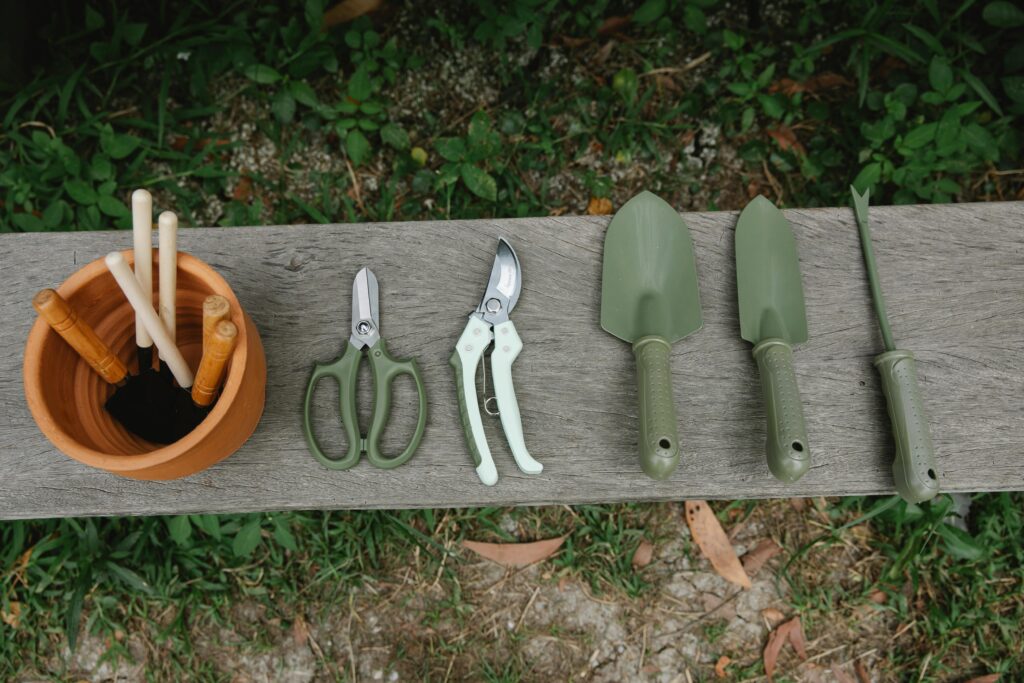
How to Clean and Maintain Bonsai Tools

Last season I watched a $90 pair of carbon steel shears turn orange practically overnight. A single evening of sticky pine sap, a splash of hose water, and boom — rust crept in, edges dulled, and I was back to hacking instead of slicing.
That hard-won lesson convinced me that caring for bonsai tools isn’t optional. It’s the cheapest insurance you’ll ever buy for both your blades and your bonsai trees.
In this guide we’ll share the same five-minute post-session routine I now follow religiously, plus the quarterly deep service that keeps my entire kit showroom sharp. You’ll learn science-backed sterilization methods, rust-proofing hacks, and a maintenance checklist you can print and tape to your tool box.
Follow along and you’ll spend more time styling your bonsai and zero time replacing ruined cutters.
Key Takeaways
- 5-Minute Post-Session Clean: Wipe, disinfect, dry, and micro-oil.
- Quarterly Deep Service: Rust check, sharpen, grease the joints, re-seal wood handles.
- Science-Backed Sterilization: 70% to 90% isopropyl alcohol kills pathogens fast, with no rinse. Bleach works, but it pits metal and needs a 30-minute soak.
Why Bonsai Tool Care Matters
Last spring my concave cutter froze mid-cut during a club workshop. Sap, rust, and grit glued the joint solid. Twenty minutes of emergency cleaning — and some good-natured ribbing from friends — saved the tool and my pride.
Since then a five-minute ritual after every styling session has protected $200 worth of bonsai tools that should now last a decade.
Neglected blades can affect bonsai health. They can crush tissue, invite infection, and turn precision work into a wrestling match. A little maintenance beats expensive replacements every time, especially with high-carbon Japanese steel that corrodes faster than stainless.
Cleaning Bonsai Tools vs. Maintenance: Know the Difference
Cleaning is the quick routine you use after each use: remove sap, sterilize, dry, and oil.
Maintenance is the deeper work — rust removal, sharpening, greasing pivots, handle care — scheduled every three months (or sooner if you’re styling daily).
Pro Tip: Think of cleaning as brushing your teeth; maintenance is the dentist visit. Skip either and things get painful.
5-Minute Bonsai Tool Cleaning Routine
Dirt, sap, and microbes hitchhike on every cut. This lightning routine stops them before they scar your trees — or your tools.
A spotless edge means cleaner cuts, faster callus formation, and healthier trees. Make the 5-minute clean a habit today. Your future self will thank you.
Step 1: Strip Sap & Soil
Dampen a lint-free rag with 70%–90% isopropyl alcohol and wipe blades, pivots, and springs. This dissolves conifer pitch fast and begins disinfecting on contact. If pitch is stubborn, rub with a Sabitori or SandFlex rust eraser.
Step 2: Disinfect Thoroughly
Give each blade a fresh alcohol wipe or a 30-second dip. Alcohol requires no soak and no rinse, unlike bleach. Reserve bleach (1:9 dilution) for known bonsai disease outbreaks, and remember it etches metal after a few uses.
Step 3: Dry & Micro-Oil
Water spots equal rust. Towel dry, then apply a whisper-thin film of choji or camellia oil. Carbon steel loves camellia for its neutral pH and nongumming finish. Stash silica gel packs in your tool roll for extra insurance.
Quarterly Deep-Maintenance for Bonsai Tools
Once a season give your kit a spa treatment. There are several bonsai maintenance kits out there to help get the job done, but a little elbow grease works too. Total time: 30-40 minutes.
Rust Check & Removal
Disassemble where possible. Surface rust? Work it off with Sabitori rubber or a vinegar soak followed by baking soda neutralization. Deep pitting might require professional grinding or replacement.
Sharpening Basics
- Straight Blades: 1,000/6,000-grit whetstone, 15- to 20-degree bevel.
- Curved Knob Cutters: Ceramic rod is matched to the curve. Four strokes per side keeps the edge keen; finish with a leather strop.
Lubricate Joints & Springs
Add a micro-dot of white lithium grease to pivots, open/close five times, then wipe excess. Overgreasing traps grit, so less is more.
Seal Wood Handles
Two coats of boiled linseed or tung oil keep hardwood handles from drying and cracking. Wipe off drips to avoid sticky residue.
Follow These Tricks to Keep Bonsai Tools Like New
- Dry Box: Use a plastic bin with the lid cracked, with silica packs refreshed monthly.
- Tool Roll vs. Magnetic Strip: Tool rolls are portable but can trap moisture. Include a silica gel pack in each one. Magnetic strips keep air circulating and remind you to clean.
- Climate Watch: Basement shop? Install a desiccant dehumidifier to stay under 60% relative humidity.
Pro Tips & Common Mistakes
Even veterans slip up. Skip these traps and you’ll save time and steel.
Mistake: Spraying oil until tools drip.
Fix: A fingerprint-thin coat is plenty. Any extra turns gummy.
Mistake: Rinsing blades under water after alcohol.
Fix: Water cancels alcohol’s benefit and invites rust, so dry thoroughly.
Mistake: Assuming stainless is maintenance free.
Fix: Keep to the routine. Stainless stains later, not never.
Troubleshooting Playbook
When things still go sideways, reference this mini manual.
| Problem | Fast Fix |
| Sticky sap won’t budge. | Soak blades in olive oil for 10 minutes, wipe, then clean with alcohol. |
| Orange haze after sitting idle. | Light Sabitori pass, alcohol wipe, camellia oil seal. |
| Seized pivot. | With a drop of penetrating oil, tap the joint gently, cycle open/close. |
| Dull edge mid-session. | Use a ceramic honing rod and make three passes on each side. |
Cleaning Bonsai Tools FAQ
How often should I clean tools?
Best practice is after every styling session, but reality is as frequently as necessary.
Best disinfectant?
70%–90% isopropyl alcohol, no rinse. Bleach only if you suspect severe disease.
What oil is safest?
Camellia for carbon steel, choji for stainless; both are food safe and odor light.
Do I really need a whetstone?
Yes. Diamond plates remove metal too aggressively for fine bonsai blades. A dual-grit stone preserves temper.
How can I remind myself to do quarterly maintenance?
Add a recurring calendar event to your phone or tape a schedule inside your tool box.

Written by: Chad Reeves
Chad is a dedicated bonsai enthusiast who’s spent 5+ years shaping bonsais and learning from some of the best bonsai artists in the bonsai community. With BonsaiTrader, he gets a chance to meet nursery owners across the country, bringing both practical advice and evolving business expertise to our readers.